

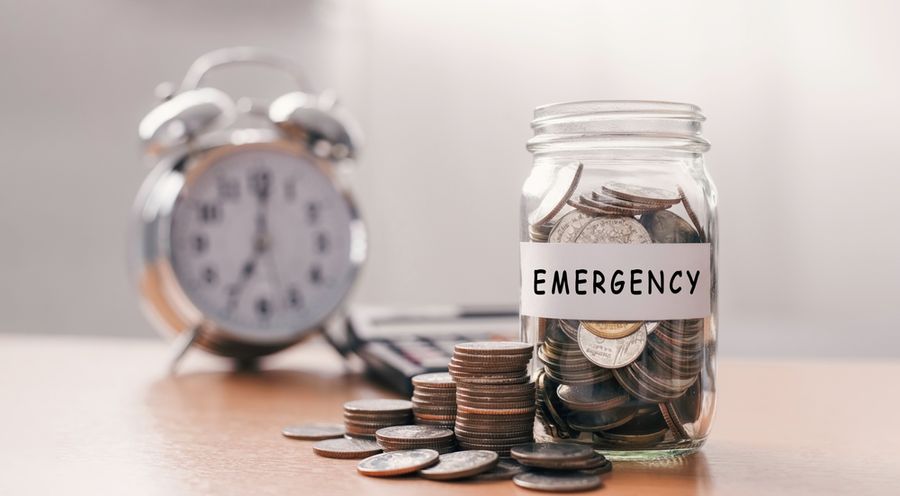
Unexpected expenses have a way of arriving without warning and can quickly create financial strain, even for people who manage money carefully. An emergency fund serves as a financial buffer designed to soften the impact of life’s unpredictability. Rather than relying on credit cards or loans, savings set aside for emergencies help cover urgent costs while preserving financial stability. Understanding how emergency funds function and why they matter provides a stronger foundation for long-term money management.
What an Emergency Fund Is Designed to Do
An emergency fund is money reserved specifically for unplanned and necessary expenses. Common examples include medical costs, essential home repairs, car maintenance, or temporary income loss. Unlike savings intended for vacations or major purchases, emergency funds exist solely to address financial surprises that require prompt attention. Having dedicated savings for emergencies can reduce stress and limit the need for borrowing during difficult moments.
Beyond covering immediate costs, emergency funds also play a broader role in financial health. They help protect other financial goals by preventing setbacks caused by unexpected bills. Without emergency savings, people often rely on high-interest credit or withdraw funds meant for retirement or long-term plans. A well-maintained emergency fund creates breathing room during uncertain periods and supports greater financial resilience over time.
Why Emergency Savings Matter for Financial Stability
Emergency savings help maintain stability during periods of financial disruption. When unexpected expenses arise, access to reserved funds can prevent missed payments, additional debt, or damaged credit. Financial emergencies often come with emotional stress, and savings provide reassurance during challenging situations. Even a modest emergency fund can reduce pressure when income or expenses change suddenly.
Emergency funds also support better decision-making. Without immediate financial strain, individuals have more flexibility to evaluate options, negotiate costs, or seek alternative solutions. Relying on borrowed money can lead to rushed choices driven by urgency rather than long-term consequences. Savings set aside for emergencies help preserve financial control and reduce dependence on external financial products during stressful moments.
How Much to Save in an Emergency Fund
The amount recommended for an emergency fund often depends on individual circumstances, income stability, and household needs. A commonly cited guideline suggests saving enough to cover three to six months of essential expenses. Essential expenses typically include housing, utilities, food, transportation, insurance, and minimum debt payments.
Some situations call for higher or lower savings targets. Individuals with variable income, self-employment, or dependents may benefit from larger reserves. Others with stable employment, strong benefits, or shared household income may feel comfortable with smaller amounts. Emergency savings goals can evolve over time, adjusting as financial responsibilities, income sources, and living costs change.
Where Emergency Funds Are Commonly Kept
Emergency funds are usually stored in accounts that prioritize accessibility and safety. Savings accounts, money market accounts, and similar deposit products are common choices because they allow quick access to funds when needed. Liquidity matters more than high returns, since emergency savings must be available without delay or penalties.
Keeping emergency funds separate from everyday spending accounts can help preserve their intended purpose. A dedicated account reduces the temptation to use funds for non-urgent purchases. Financial institutions often provide accounts insured by government programs, adding an extra layer of protection.
How Emergency Funds Fit Into a Broader Financial Plan
Emergency funds form a foundation for broader financial planning. Before pursuing long-term goals such as investing or accelerated debt repayment, emergency savings help protect progress from unexpected disruptions. Without emergency reserves, even well-structured financial plans can unravel when unplanned expenses arise.
Emergency savings also complement other financial tools. Insurance policies, credit products, and budgeting systems all work more effectively when backed by readily available cash reserves. Emergency funds do not replace insurance or long-term savings, but they work alongside them to support overall financial balance.
Building Confidence Through Financial Preparedness
Emergency funds represent more than saved money; they reflect preparedness for uncertainty. Setting aside funds for unexpected expenses encourages proactive financial habits and long-term thinking. Over time, consistent saving builds a sense of security that supports healthier financial decisions during both calm and stressful periods.
Financial preparedness looks different for every household, but emergency savings remain a common thread across many financial strategies. Circumstances, income levels, and responsibilities all influence how emergency funds are structured. What matters most is having a plan that acknowledges uncertainty and provides a practical response when challenges arise. Emergency funds help transform financial surprises from crises into manageable events.